The standard model of physical physics says that protons are stable and live forever, but there are some flaws, especially in the combination of special mechanics and Albert Einstein’s theory of relativity, which explains the gravity.
The proton decay hypothesis was first described by Andrei Sakharov in 1967, but despite experimental efforts, all methods of obtaining evidence in the world have failed. Therefore, Patrick Stengel from the National Institute of Nuclear Physics in Ferrara, Italy, and his colleagues are planning to dig a 5-kilometer deep hole in the Moon to look for signs of ancient protons. rot in kaons.
Patrick Stengel from the National Institute of Nuclear Physics in Ferrara, Italy, hopes to dig deep into the moon to look for signs of ancient protons decaying into kaons
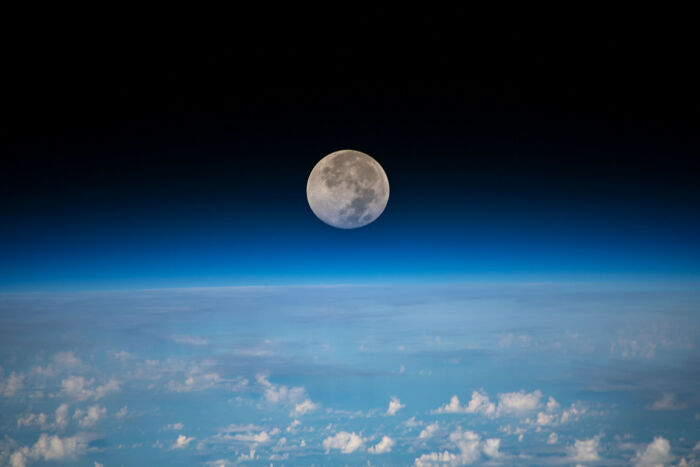
Image credit: International Space Station
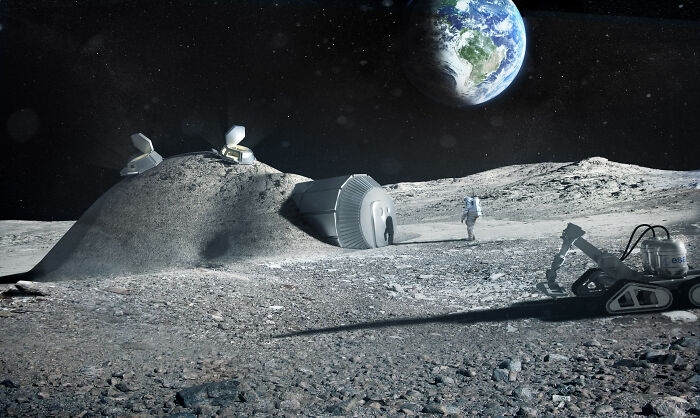
Image credit: ESA
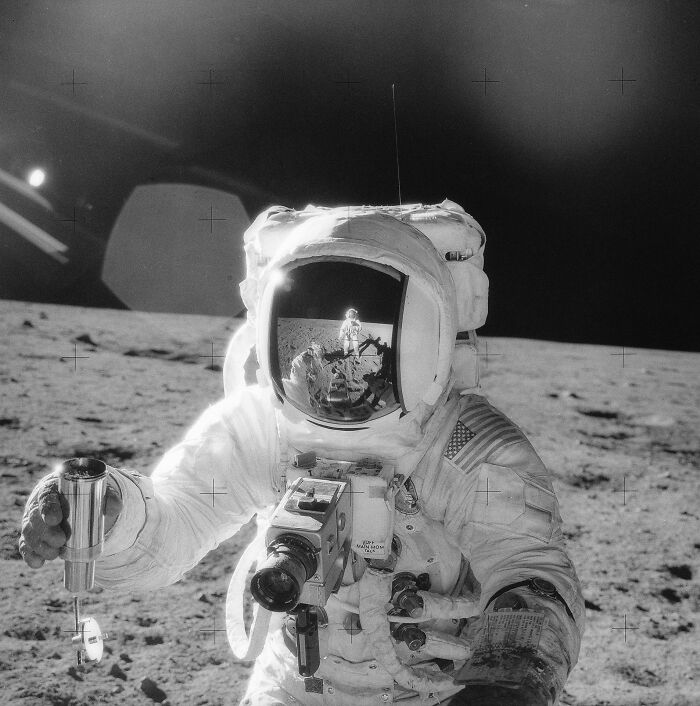
Image credit: NASA
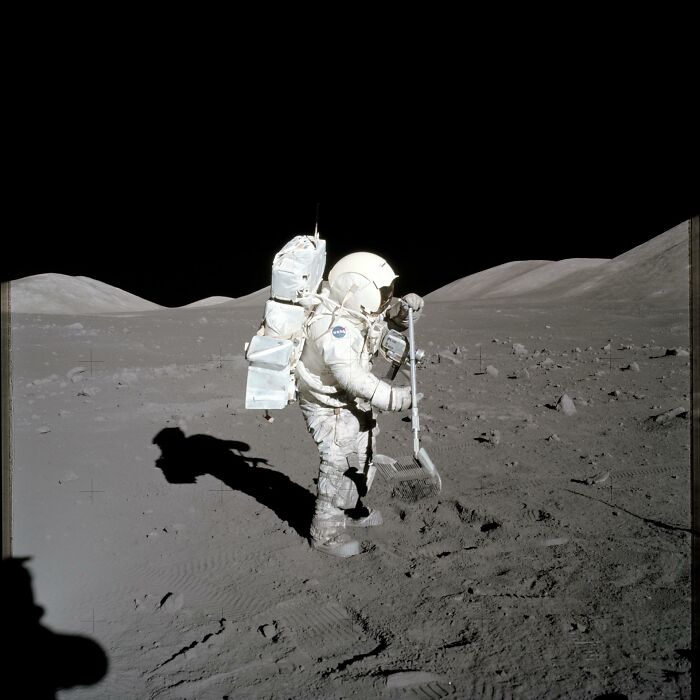
Image credit: NASA
Stengel believes that the moon rock can suppress evidence of such decay by chemical changes in its mineral structure. Being hidden deep under the Moon will create a protective shield and this means that such evidence will not be mixed with the same appearance caused by things like high energy neutrinos.
After their calculations, the scientists found that the shield would be enough only 5 kilometers below the moon. In this case, a strong drill must be taken to the moon in order to obtain the sample. The important thing is that examples can be deeper than the world; for example, the Kola Superdeep Borehole in Russia is more than 12 kilometers.

Photo credit: @daryavaseum
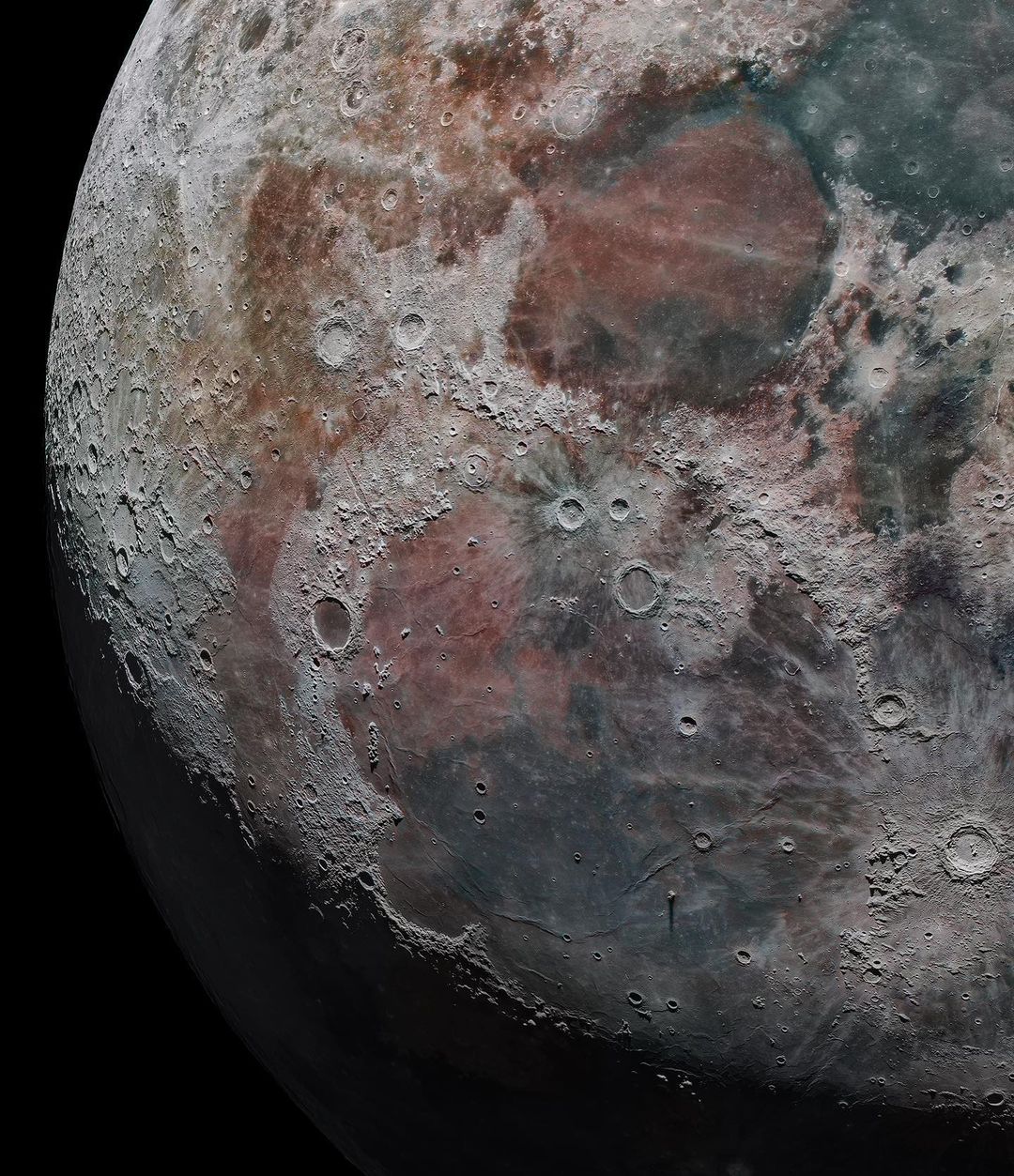
Photo credit: @daryavaseum
“Basically, the idea is interesting,” said David Waters, Professor of Physics at University College London. “Instead of having checks that weigh thousands of tons and have been used for several years, you look at small mineral samples, maybe only tens or hundreds of grams, and they may have captured them in their structures based interactions over hundreds of millions of years.”
But the rock sample must be studied on the Moon with special microscopy equipment, since the transport of the sample to Earth can be affected by the rays of the sky. “The idea is very speculative. You have to go 5 kilometers deep, pull out the moon rocks and use these dangerous experimental methods – everything is very difficult,” said Stengel.
Despite all the technical problems, finding just 100 grams of lunar rock could be enough to find evidence of proton decay with as much or more sensitivity than the project. on Earth, such as the Super-Kamiokande neutrino detection experiment in Japan. This research project, together with 40 universities and research institutes around the world, aims to shed light on the mystery of the universe and matter through the observation of neutrinos.
Moon rock samples from deep within the Moon may provide an opportunity to see if protons can decay elsewhere.
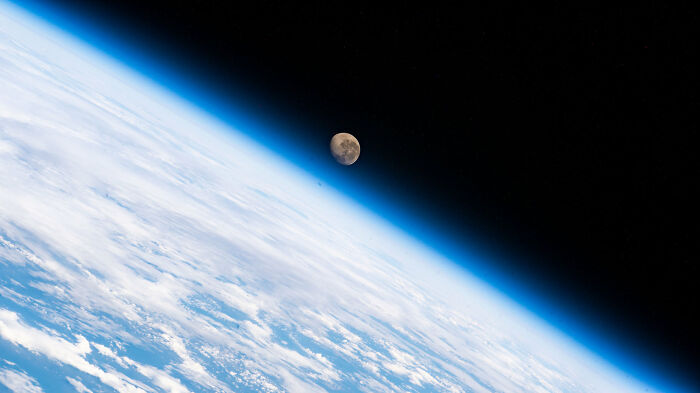
Image credit: International Space Station
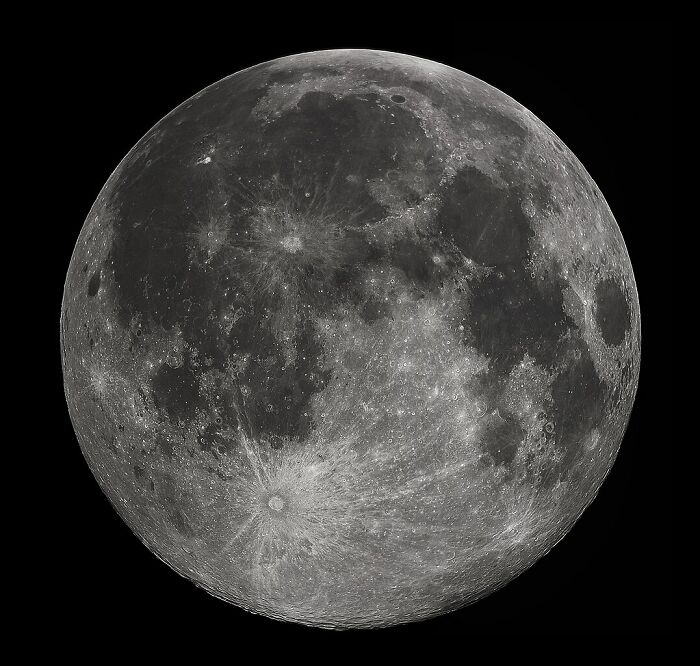
Image credit: NASA
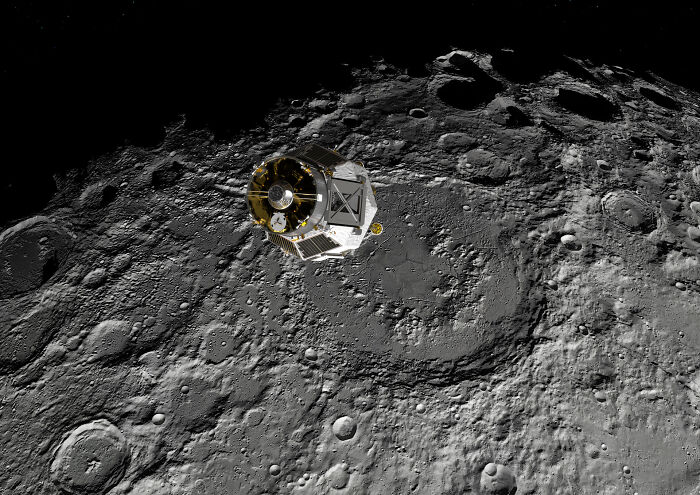
Image credit: ESA
Our physical exploration of the Moon began in 1959 with Luna 2, a space probe launched by the Soviet Union. Before that, the only space exploration was done with data made from Earth.
Galileo Galilei is considered the first person to use a telescope for special purposes. He made his own television in 1609 and the moon was one of the first observations he used.
Today, due to the rapid development of technology, many people take detailed photos of the Moon, but the photographer Darya Kawa Mirza, better known as @daryavaseum on social media, certainly one of the most popular.
The 30-year-old astrophotographer lives in Erbil, the capital of Kurdistan region in Iraq.
“I have been fascinated with photography since I was a child and got my first camera. I started shooting everything: the moon, landscapes… Until 2007 my father bought me a digital camera, “said Darya in the interview with Sad panda.
“Day by day I learned all the basics and important things related to the camera and after a few years, I expanded my knowledge and in 2014 I bought better accessories,” he said. of the astrophotographer.
When asked how she managed to capture the detailed images of the moon, Darya told us that it happened by chance. “I always wanted to know about the sky but the change of time made me discover things far away. I ordered a small one for myself and that’s how it started,” he said.
Darya told us that the entire process of filming can be done from a few hours to a few days. “For example, my most recent photo of the moon took me 4 days of continuous shooting,” he said.
“The Moon has always been special to me and not only because it can be very challenging to photograph at times, but because my photography allows me to approach everyone with the same deeply in love with the light and the biggest objects in our night sky, “said Darya and mentioned that in the future, he also wants to capture Saturn and Jupiter.
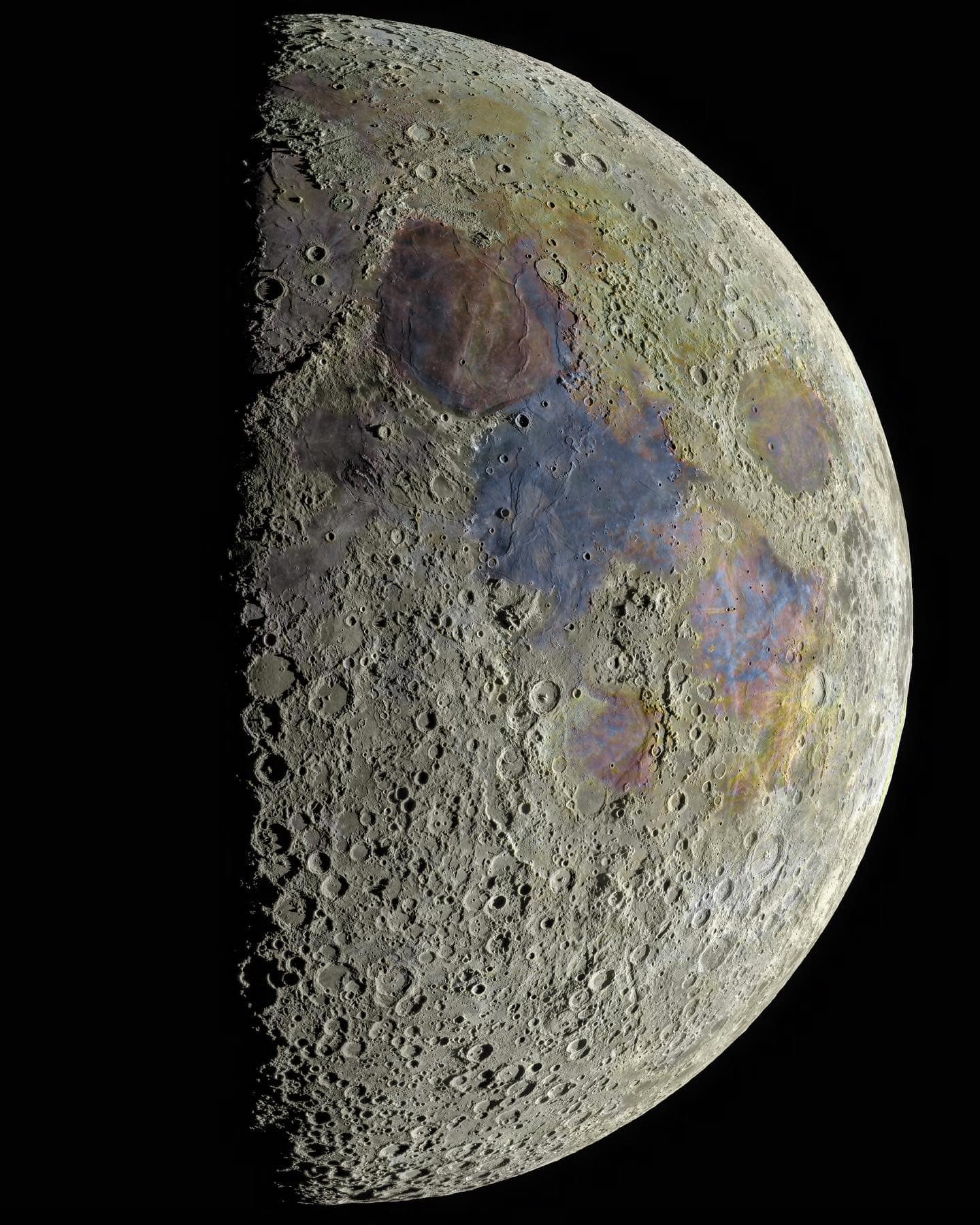
Photo credit: @daryavaseum
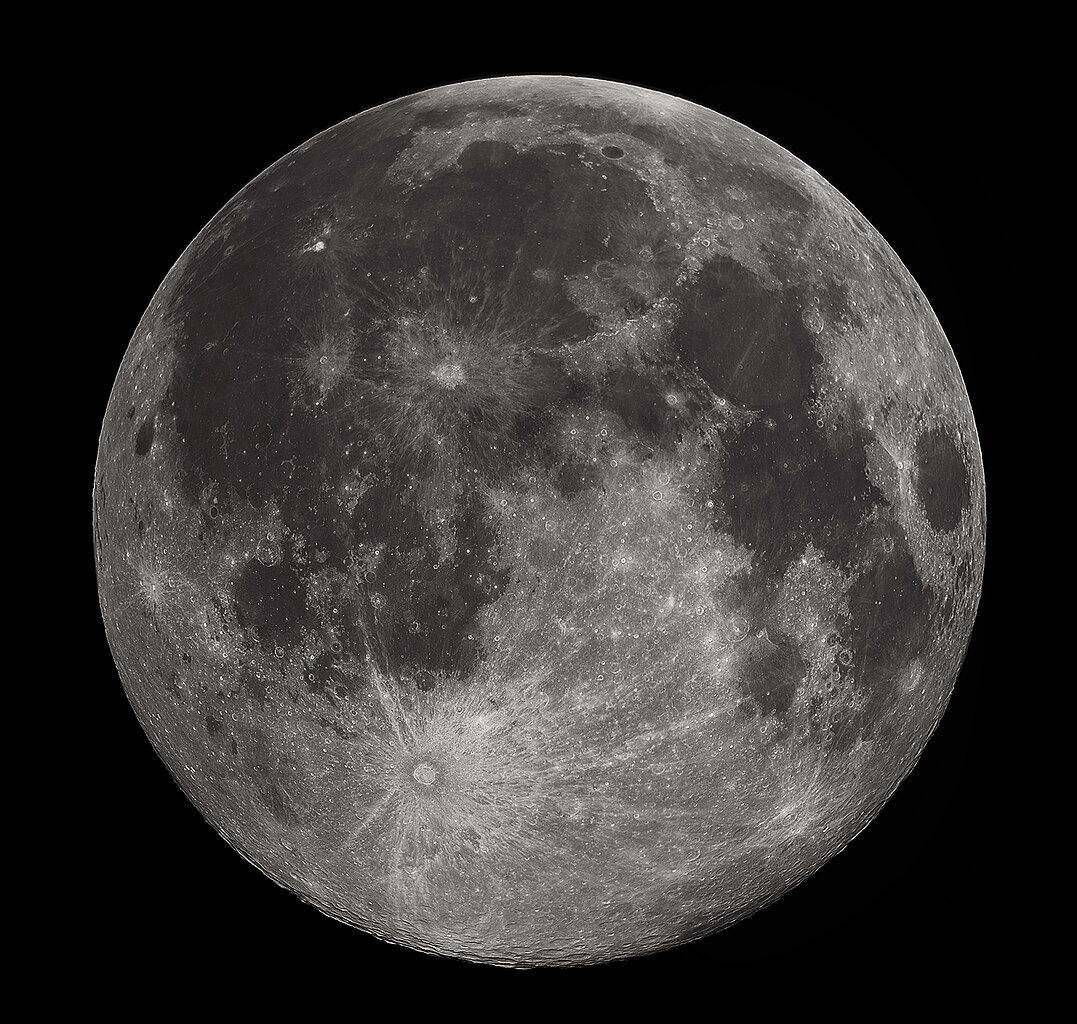
Photo credit: @daryavaseum
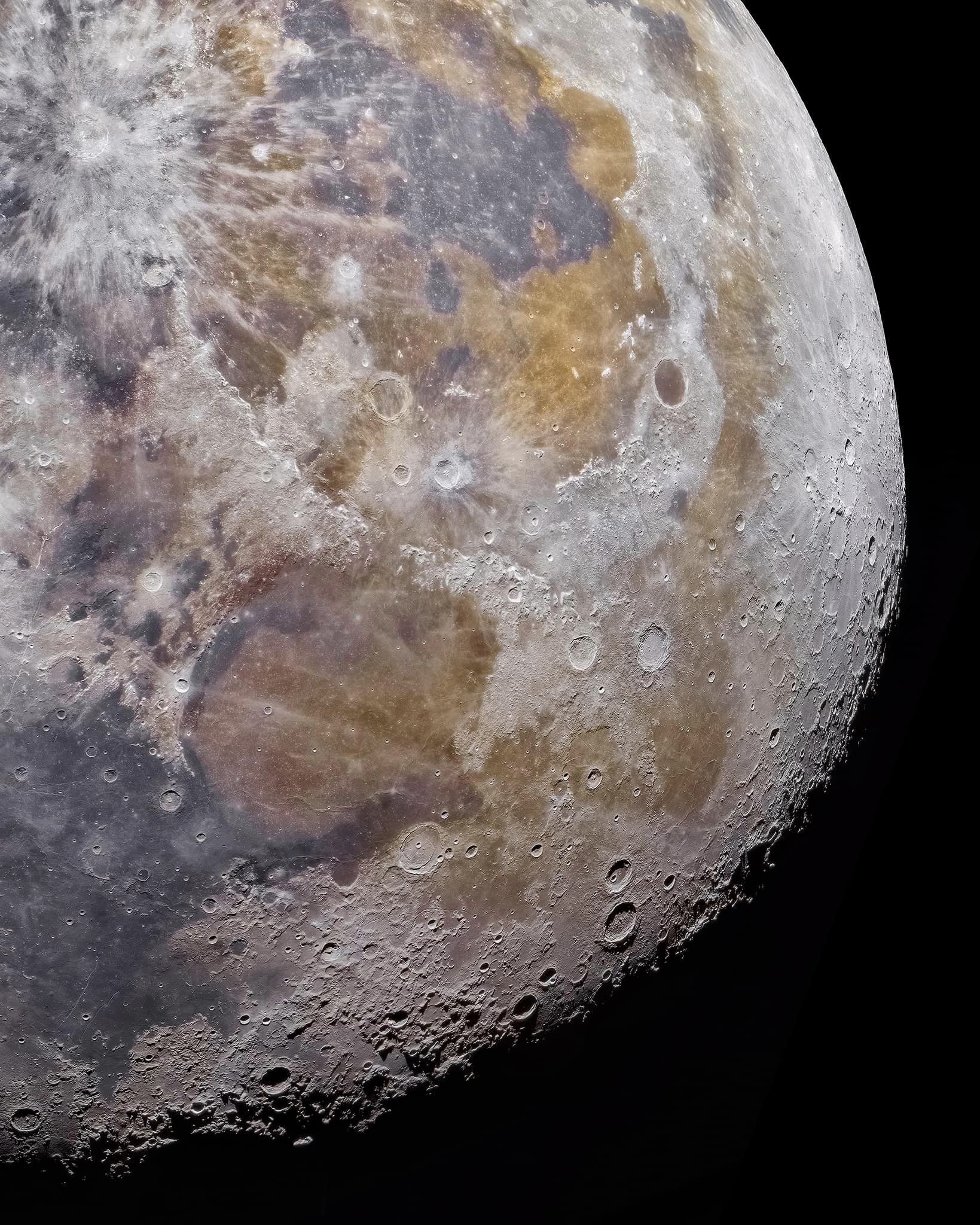
Photo credit: @daryavaseum
As ESA’s Director of Technology, Engineering and Quality Franco Ongaro well explained, “If space is an ocean, then the Moon is our nearest island,” the which was revisited by humans in 1972 with the 17th Apollo mission.
And who knows, maybe the next crew mission to the Moon will find evidence about the decay of protons somewhere else and will finally resolve the conflict between the theories of the physics we have acquired over the years.
People online shared their excitement about new discoveries on the Moon.
#Doctors #Drill #Kilometer #Hole #Moon #Chat #Online